
Installing automatic gates is a smart way to boost convenience, security, and property value. If you’re a new homeowner or considering your first gate installation, choosing the right automatic gate opener is essential. Wondering if the cost stacks up? Read our analysis of gates and property value to see the return on investment for Sydney homeowners.
This guide covers everything you need to know before you invest in an automatic gate system.
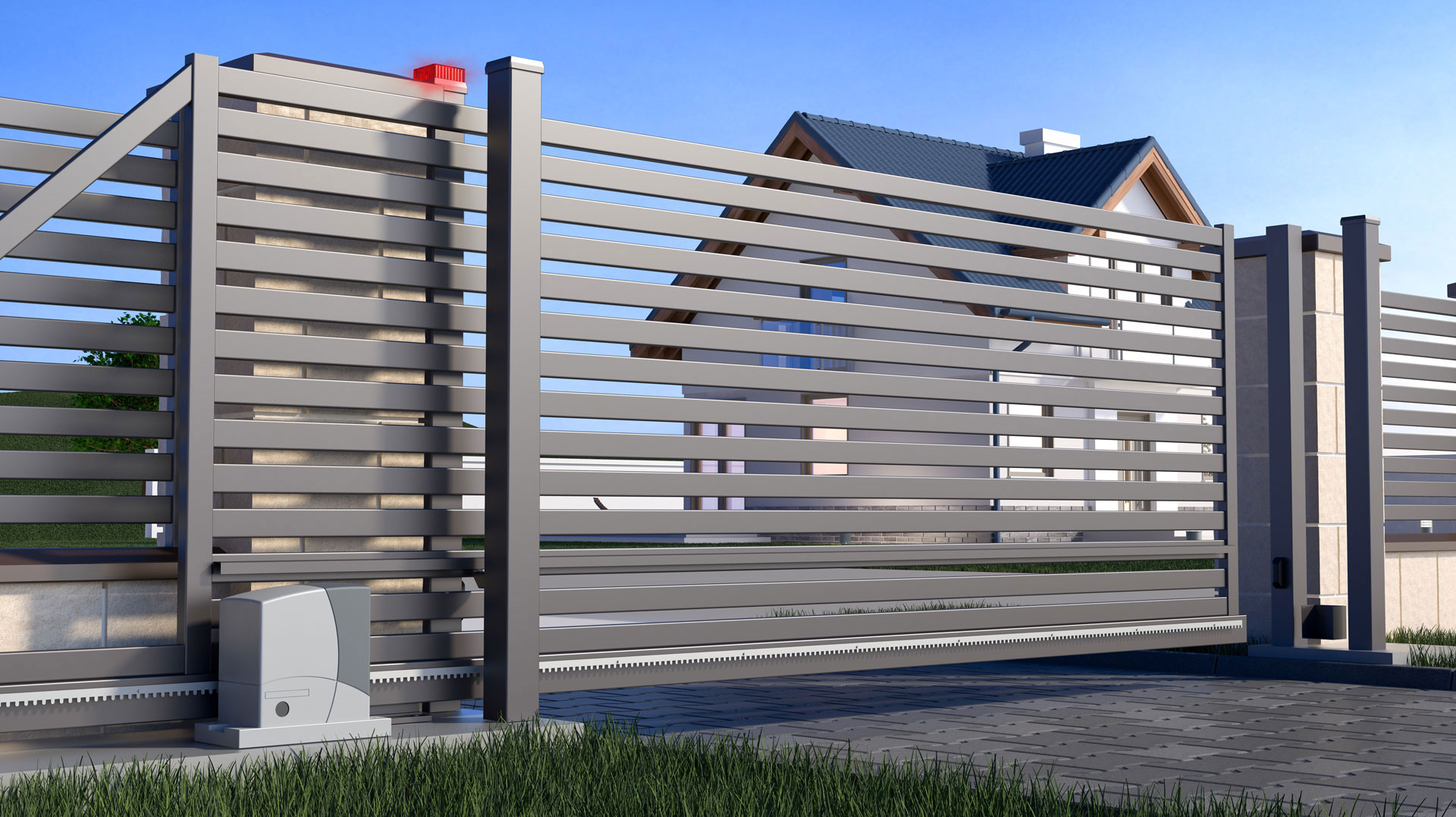
What Is an Automatic Gate Opener?
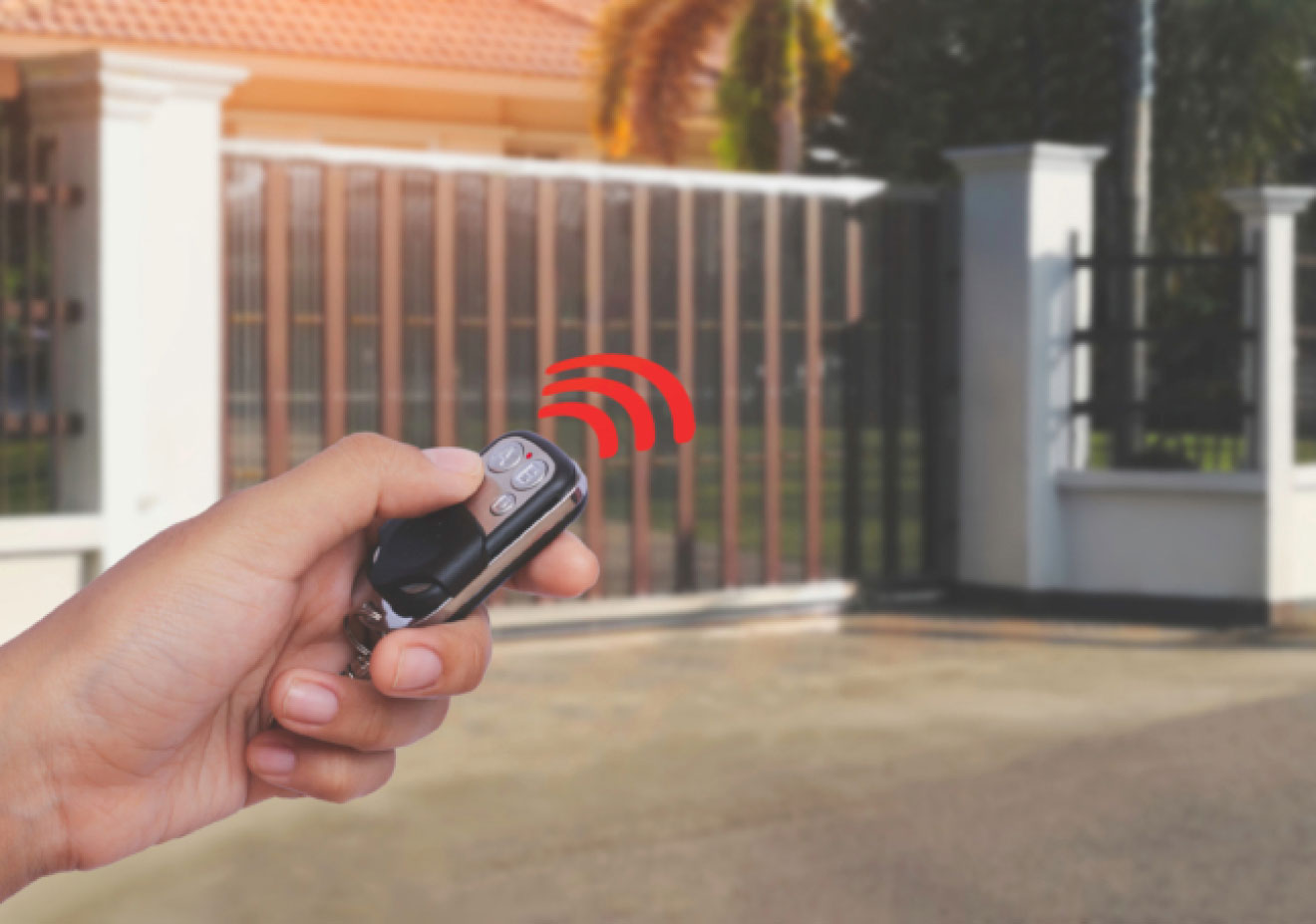
An automatic gate opener is a motorised mechanism that opens and closes a gate without manual effort. It is typically controlled via:
- Remote control
- Smartphone app
- Keypad or intercom
- Vehicle sensor or keypad
Automatic gates can be installed on driveways, private roads, or commercial entries.
Main Types of Automatic Gates
Swing Gates:
- Open like a traditional door
- Suitable for properties with space to open inward or outward
- Can be single or double leaf
Sliding Gates:
- Move horizontally along a track
- Ideal for driveways with limited space
- Often preferred for steep or uneven surfaces
Explore our automatic gate installation services
Types of Gate Openers
- Electromechanical Openers: Common for residential use, quiet and reliable
- Hydraulic Openers: More powerful, used for heavy or commercial gates
- Solar Powered Openers: Good for off-grid locations or eco-conscious users
Key Features to Look For
- Soft start and stop for smooth movement
- Manual override in case of power failure
- Safety sensors to prevent accidents
- Smart connectivity for mobile control
- Battery backup during blackouts
For buyers interested in smart home connectivity, see our post on integrating motorised sliding gates with home automation.
Choosing the Right Opener
Consider the following before making a decision:
- Weight and size of your gate
- Frequency of use
- Terrain and available space
- Nearby power access
- Desired security features
Compare models at Gate Openers Australia
FAQ: Automatic Gate Openers
Do I need council approval to install an automatic gate in NSW?
Installing a motor on an existing gate generally does not require council approval in NSW. However, if the gate structure itself is new and forms part of a boundary fence, a Development Application may be required depending on height and front setback rules. Check with your local council before proceeding with a new gate structure.
What is the difference between an electromechanical and hydraulic gate opener?
Electromechanical openers use an electric motor driving a mechanical arm or worm gear — the most common residential type, suited to light-to-medium weight gates. Hydraulic openers use pressurised fluid and are better for heavy or commercial gates requiring higher torque. Hydraulic systems last longer but cost more to install and service.
How long do automatic gate openers last?
A well-maintained gate opener typically lasts 10–15 years. Longevity depends on daily cycle frequency, climate exposure, and whether the gate’s mechanical components are kept in good condition through annual servicing. Coastal or dusty environments shorten lifespan without increased maintenance frequency.
Can I add smartphone control to an existing automatic gate?
Yes — most modern gate opener systems are compatible with Wi-Fi relay modules or dedicated controller upgrades that enable smartphone app control. If your existing opener is older, a controller upgrade or new motor may be required. Our technicians can assess your system and recommend the most cost-effective smart upgrade path.
Final Word
Once your gate is installed, read our guide on why regular servicing is crucial for automatic gate systems to understand what ongoing care is required. Whether for convenience or protection, automatic gates offer serious benefits. For expert advice and installation, contact Automatic Garage Solutions today.