
Garage doors are one of the largest and most frequently used moving parts in your home, and their performance is directly influenced by the environment. In a city like Sydney, where the weather can swing from humid summer days to stormy winters, it is no surprise that weather conditions can cause your garage door to behave unpredictably. Understanding these impacts can help you avoid unnecessary wear and costly garage door repairs.
Heat and Direct Sunlight
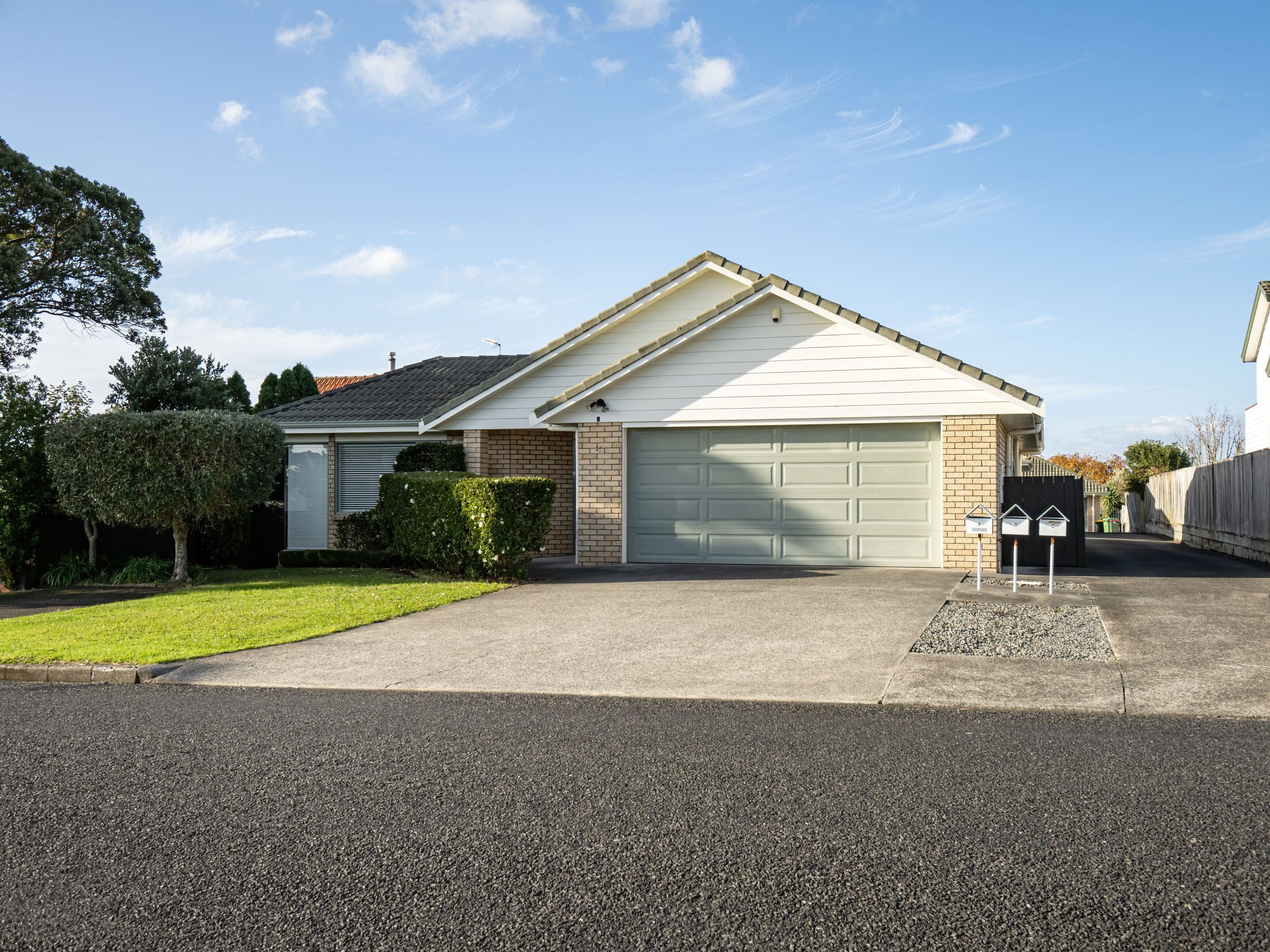
Sydney’s summer temperatures can be intense, especially in western suburbs where heat builds up quickly. Prolonged exposure to direct sunlight can cause garage door panels to expand, warp, or fade. Metal components may also expand under high temperatures, causing misalignment in tracks or added strain on the motor. The most effective defence against weather damage starts at material selection, our guide on choosing the right roller door material for Australian conditions covers the key options
If your garage door starts sticking or moving unevenly during hot days, it could be a sign of heat-induced stress. This type of issue should be addressed quickly with a professional garage door repair to prevent further damage.
Humidity and Moisture Build-Up
Humidity levels in Sydney are often high during summer, and coastal suburbs are especially prone to salt-laden air. Moisture in the air can lead to rust forming on springs, tracks, and other metallic components. Timber doors can absorb moisture, leading to swelling or warping.
Increased humidity may also interfere with your garage door opener’s electrical components, leading to performance issues or short circuits. Regular inspections and preventive maintenance reduce the chance of weather-related garage door repairs.
Check current humidity levels from the Bureau of Meteorology
Cold Weather and Component Shrinkage
Although Sydney’s winters are milder than those in other parts of the world, colder months can still affect how your garage door operates. Cold weather can cause lubrication to thicken, making the door’s movement sluggish. Metal contracts in the cold, which can misalign parts or reduce tension in springs. Cold temperatures cause steel springs to contract and become brittle, if your door feels heavy in winter, our garage door spring replacement team can assess the spring condition.
If your garage door becomes noisy or slower than usual in winter, cold-related mechanical stress may be the cause. Scheduling a garage door repair before winter can help ensure smooth operation all season.
Heavy Rain and Flooding
During Sydney’s storm season, sudden downpours and flash floods are not uncommon. Water can enter your garage if the seals around the door are worn or cracked. Prolonged exposure to moisture may damage the door itself or the opener system.
Flooding or puddling inside the garage can pose electrical risks, especially if the opener unit is installed low to the ground. It is essential to inspect weather seals regularly and arrange prompt garage door repairs if water ingress becomes an issue.
Learn how our garage door repairs keep your door weather resistant
Wind and Storm Damage
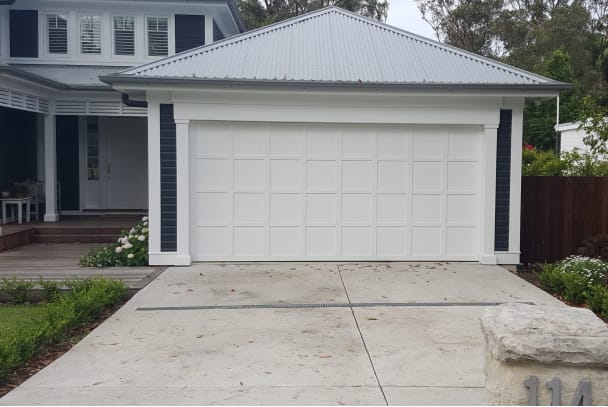
Sydney’s coastal storms can bring strong winds that exert pressure on your garage door. Improperly installed or older doors may flex or rattle in strong gusts. Over time, this can loosen tracks, bend panels, or cause failure in the opening mechanism.
Garage doors that are not reinforced for wind resistance can also become a hazard during storms. If your door wobbles in the wind or has been struck by flying debris, it is important to organise a garage door repair as soon as possible to maintain safety and function.
Seasonal Changes and General Wear
Rapid temperature shifts from day to night can contribute to the expansion and contraction of materials. Over time, this causes wear on hinges, tracks, and rollers. Seasonal changes can also affect the balance of the garage door, making it feel heavier or uneven.
Regular servicing is the best way to account for changing conditions. Preventive maintenance in spring or autumn can help address small problems before they become major garage door repairs.
Tips to Minimise Weather Damage
To reduce the impact of weather on your garage door:
- Lubricate moving parts seasonally using silicone-based products
- Inspect and replace weather seals annually
- Keep the tracks clear of dust and debris, especially after storms
- Have the door professionally serviced at least once per year
- Install insulation if your garage is exposed to direct heat or cold
These simple steps can greatly extend the life of your door and reduce the need for urgent repairs.
Protect Your Door Year-Round
Sydney’s weather is as diverse as its suburbs, and your garage door feels the impact every day. From heat damage and rust to storm strain and component wear, the effects of local conditions can be significant. If weather damage has already affected your door, our garage door repair service offers same-day assessments across Sydney.
Staying ahead of seasonal damage with regular servicing and fast response to issues can save you from expensive garage door repairs down the track. If you’ve noticed changes in how your garage door performs, don’t wait until it breaks down.
FAQ: Weather & Environmental Effects on Garage Doors
Does heat damage garage door springs in Australia?
Sustained high temperatures cause metal springs to expand and lose temper over time, gradually reducing the spring tension that counterbalances the door weight. In Sydney’s summer heat, springs in direct sunlight experience additional thermal cycling stress. Signs include a door that feels heavy to lift manually or opens/closes unevenly.
How does coastal salt air affect a garage door?
Salt air accelerates corrosion on bare steel, hinges, springs, cables, and tracks. Coastal properties within 1–2 km of the ocean should use marine-grade materials, stainless steel fixings, and perform monthly fresh-water rinse-downs to remove salt deposits. Annual servicing should include lubrication of all metal-to-metal contact points.
Can humidity make my garage door jam or stick?
High humidity can cause timber doors to swell and bind in their frames. Steel doors are not affected by swelling but humidity accelerates rust on uncoated surfaces, which can cause rollers and tracks to bind. Keeping all metal surfaces lubricated and ensuring good garage ventilation reduces humidity-related problems.
How do I protect my garage door during a storm?
Ensure weather seals are intact and in contact with the floor and frame to prevent water ingress. If you have a roller door, check that wind lock bracing is engaged. After heavy rain, clear any debris from tracks. Do not operate an electric opener during an active lightning storm.
Contact Automatic Garage Solutions today for expert repairs and maintenance you can trust.