
A malfunctioning garage door is more than just an inconvenience. It can disrupt your schedule, pose a safety hazard, and in some cases, leave your property exposed. Fortunately, garage doors rarely fail without warning. If you know what to look for, you can often catch the signs early and arrange a garage door repair before the problem gets worse.
In this guide, we’ll show you the most common red flags that your garage door may need attention and explain why early action matters.
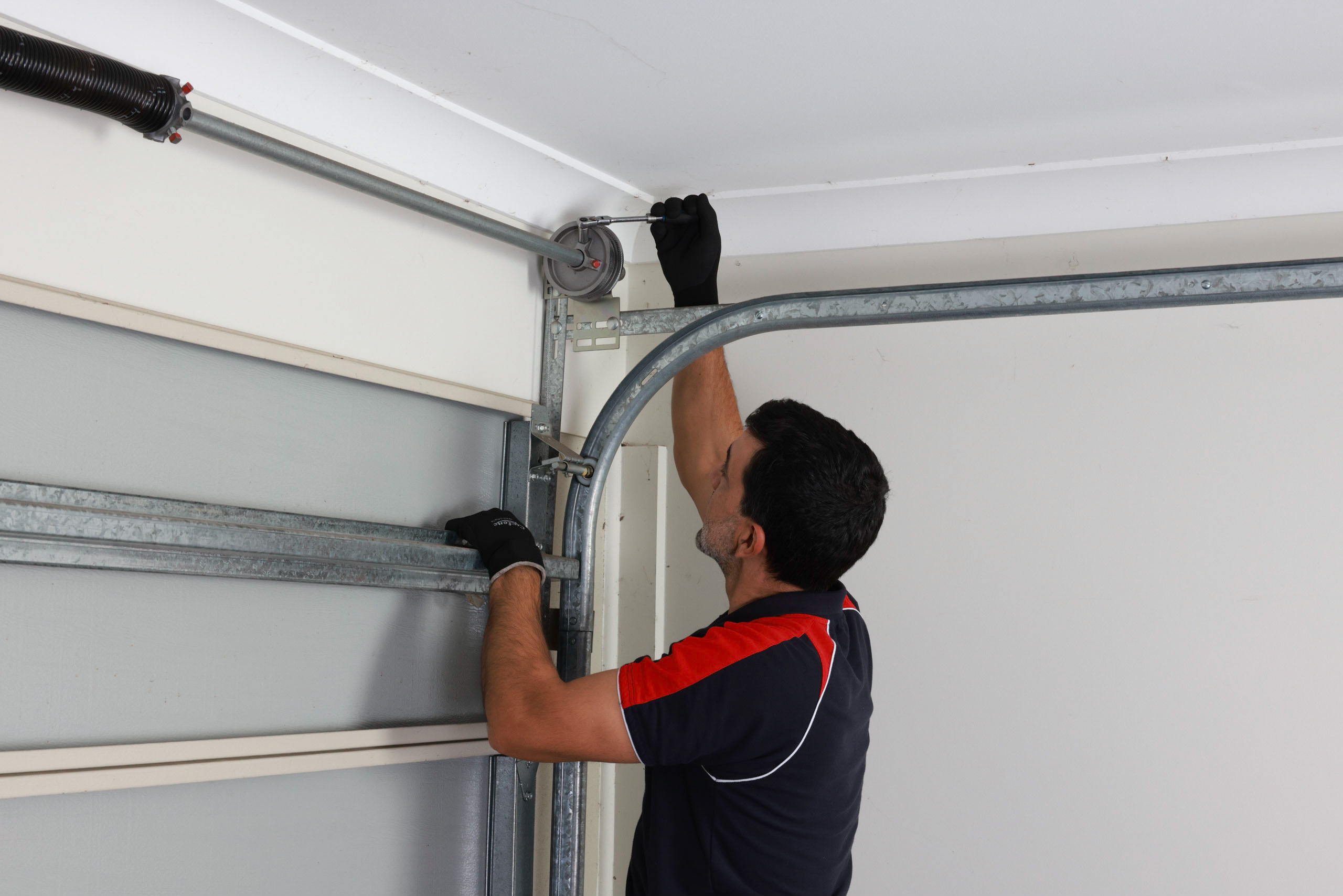
Strange Noises During Operation
Garage doors should run smoothly and quietly. If you notice grinding, squealing, rattling, or clunking noises, something is likely out of alignment or worn down. These sounds can point to problems with:
- Worn out rollers
- Loose hardware
- Damaged springs or cables
- Dry hinges or unlubricated parts
Unusual noises are one of the earliest and most obvious signs that garage door repairs are needed. Ignoring them may lead to serious mechanical failure later on.
Door Is Slow to Open or Close
Your garage door should respond quickly and move steadily when you activate it. If it starts moving slower than usual or stalls midway, that could indicate:
- A failing motor or opener
- Deteriorating springs
- Track obstruction
- Poor balance
Slow movement may be subtle at first, but it usually worsens over time. This is a key sign that garage door repair is needed before the door stops working entirely.
Uneven or Jerky Movement
If your garage door shakes, jerks, or appears to wobble as it opens or closes, this could be a sign of misalignment. The cause could be:
- Warped tracks
- Loose brackets
- Uneven spring tension
Uneven movement places extra stress on your motor and other components. This issue can lead to breakdowns if left unaddressed.
Learn how our garage door repair service can correct alignment issues
Door Doesn’t Sit Evenly When Closed
A garage door that rests at an angle or fails to close completely may have:
- A broken cable
- A faulty spring
- An obstruction in the track
Besides posing a security risk, a door that doesn’t seal properly allows wind, water, and pests into your garage. This is a clear reason to arrange garage door repair.
Remote or Wall Button Stops Responding
If your remote control or wall switch starts working intermittently, the issue may lie with the opener, the remote battery, or wiring faults. When your garage door refuses to respond consistently, it could also point to sensor misalignment or signal interference. An unresponsive wall button or remote that worked yesterday may indicate a motor control board fault, our garage door motor repairs team can diagnose this quickly.
For newer systems, a software or logic board issue might be to blame. An expert technician can run diagnostics to isolate and repair the cause.
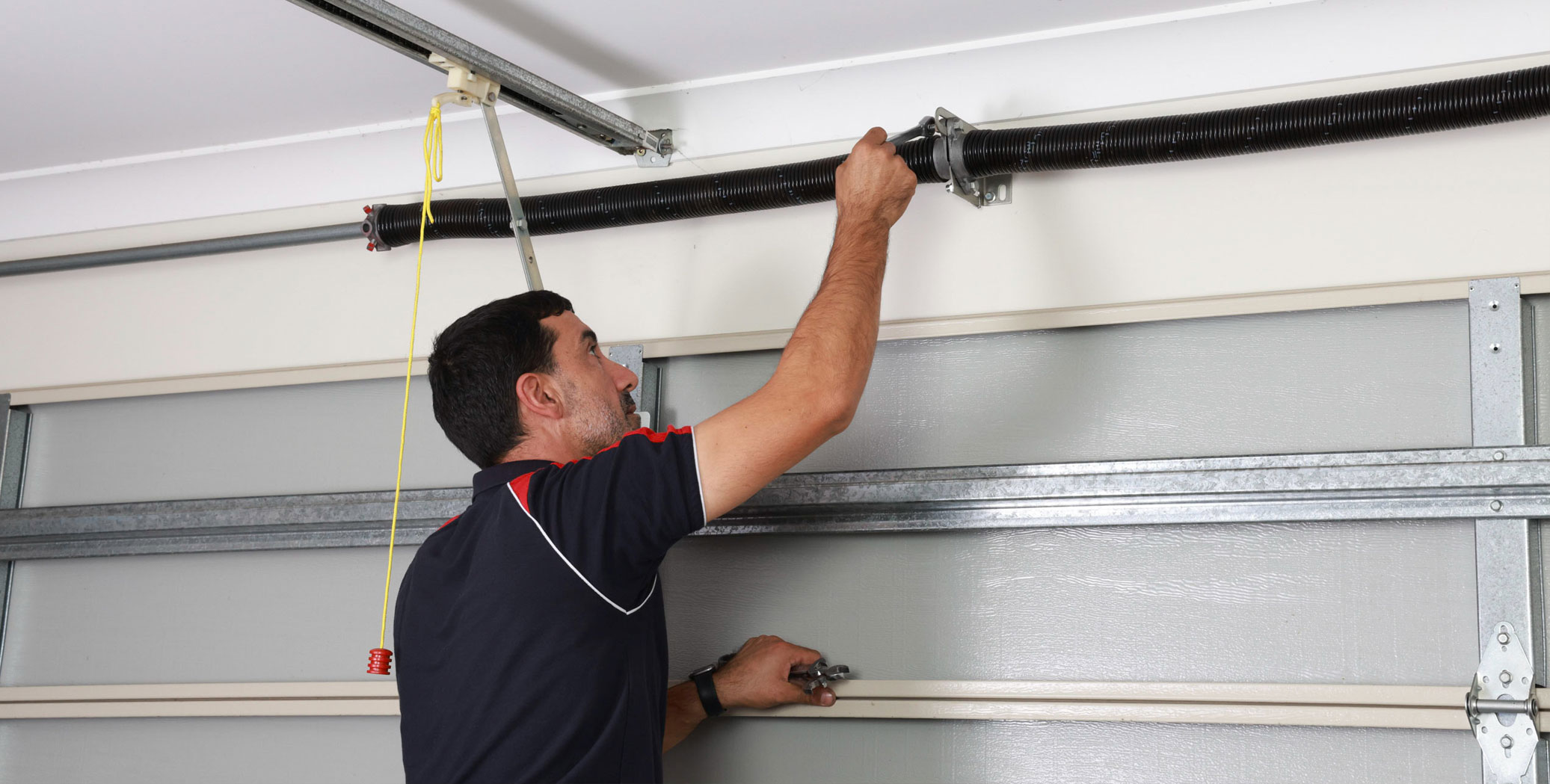
Sagging or Bent Door Sections
Visually inspect your garage door panels for signs of sagging, bowing, or bending. These structural issues can occur over time, especially with older or timber doors. Causes might include:
- Water damage
- Weakening from sun exposure
- Repeated force from improper use
A garage door that is no longer holding its shape is more likely to jam or fall off the tracks. This should be addressed immediately through professional garage door repairs.
Check out safety guidelines from the Master Builders Association of NSW
Increased Energy Bills or Drafts
Many modern garage doors are insulated to improve energy efficiency. If you notice rising energy bills, cold drafts, or visible light under the door, it may mean your weather seals are worn or the door has shifted out of alignment.
Garage door repairs can restore proper sealing and help reduce energy loss, especially if your garage is attached to your home.
The Door Reverses or Stops Unexpectedly
If your garage door begins to reverse suddenly after opening a few centimetres or refuses to stay closed, the safety sensors may be out of alignment or malfunctioning. This is a safety feature, but frequent false triggers are a sign of trouble.
Sensor issues can often be corrected quickly, but if ignored, they can stop the door from working altogether or create false alarms.
Why Early Repairs Are Always Better
Garage doors are complex systems that rely on many moving parts working together. A small fault in one component can quickly affect the entire mechanism. Once you’ve spotted a warning sign, acting promptly is critical, read don’t delay: urgent garage door repairs you can’t ignore. By acting on early warning signs, you:
- Avoid sudden breakdowns
- Prevent costly repairs
- Extend the lifespan of your garage door
- Improve household safety and security
Take Action Before It’s Too Late
Catching small problems early is the smartest approach to garage door maintenance. Most garage door repairs can be handled quickly and affordably when scheduled promptly. Book our garage door repair service at the first sign of trouble, early intervention almost always costs a fraction of a breakdown repair.
FAQ: Common Garage Door Problems
Why does my garage door make a grinding noise when opening?
Grinding noises usually indicate worn or dry rollers, damaged tracks, or a worn drive gear in the opener. Applying silicone lubricant to the rollers, hinges, and tracks often resolves minor grinding. If the noise persists or is accompanied by jerky movement, the rollers or drive system need professional inspection.
What does it mean when my garage door moves unevenly or jerks?
Uneven movement typically indicates: a broken or weakened spring causing imbalance, rollers coming out of the track, a bent or obstructed track section, or a worn drive chain/belt on the opener. Left unaddressed, uneven movement stresses the motor and accelerates wear across the entire door system.
Why does my garage door reverse before it fully closes?
The most common causes are: a safety beam sensor that is dirty, misaligned, or obstructed; the opener’s force/sensitivity setting being too low; a track obstruction; or a broken spring unbalancing the door. Check the sensor lights first, a blinking light confirms a sensor alignment issue.
How do I know if my garage door spring is about to fail?
Warning signs include: the door feels heavier than usual when lifted manually, it does not stay in the half-open position when released (loss of spring tension), visible gaps or cracks in the spring coil, or a loud bang followed by the door becoming unresponsive (the spring has already broken).
If you have noticed any of the signs above, book a service with Automatic Garage Solutions today. Our expert technicians will inspect your system, identify potential issues, and carry out all necessary repairs to keep your door operating safely and smoothly.